Tokenization in Agribusiness: How It Works in Brazil


The tokenization of agribusiness in Brazil is no longer an experiment. In January 2026, the Brazilian market for tokenized assets reached R$ 1.5 billion in issuances, and digital Rural Product Notes (CPR) are among the instruments driving this progress the most.
This movement is not accidental; it is a direct result of the regulatory maturation of the crypto sector in Brazil, which gained a new framework with the Central Bank resolutions published in November 2025. If you are not yet familiar with these changes, it is worth starting with our complete analysis on crypto regulation in Brazil in 2026.
For those who want to follow this narrative from an investment perspective, RWA infrastructure tokens like ONDO, available for trading on WEEX, are a gateway to this expanding ecosystem.
What it means to tokenize an agribusiness asset
Tokenizing an agribusiness asset means transforming rights over agricultural production, such as a soybean crop, a batch of corn, or receivables from a future harvest, into digital tokens registered on the blockchain. For you, the investor, this represents the possibility of accessing a market that previously required large capital outlays and bank intermediaries.
Each token you purchase represents a fraction of that asset, with yield, term, and collateral rules defined in a smart contract. You know exactly what you are buying, how much you will receive, and when, with everything recorded and auditable in real-time.
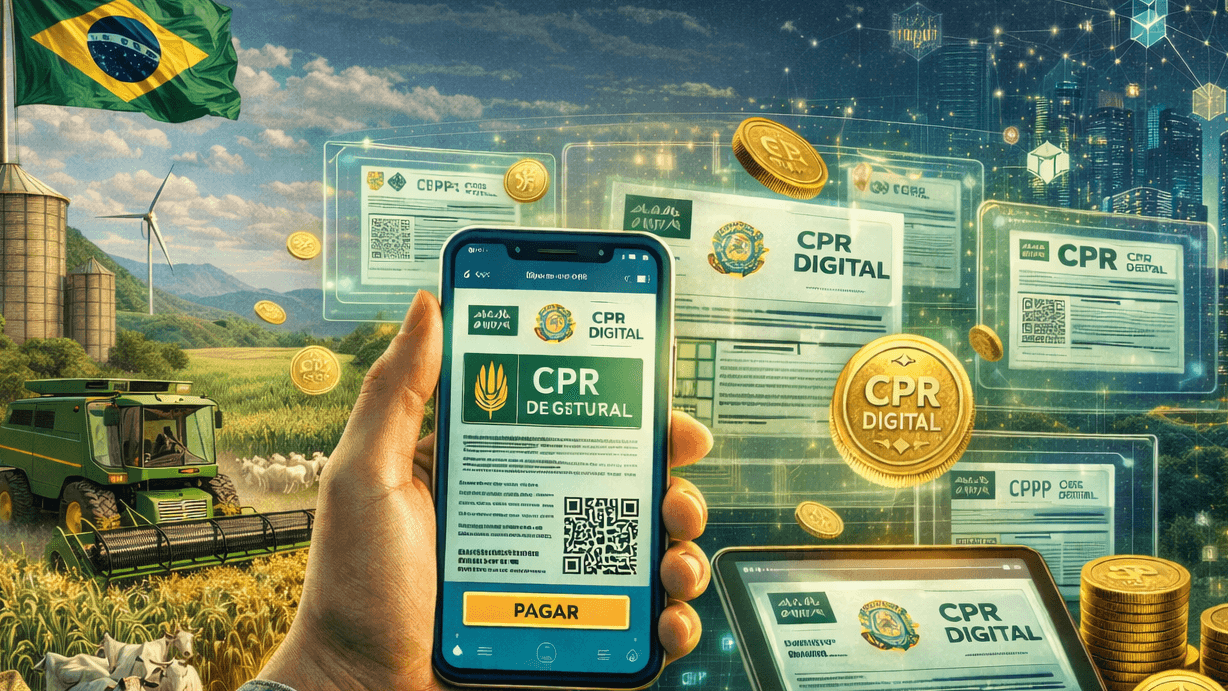
The most widely used instrument for this in Brazil is the CPR (Rural Product Note), a security already consolidated in the traditional financial market that, when tokenized, offers accessible fractionalization, complete traceability, and trading at any time of the day. It is the agricultural market reaching you, without the bureaucracy of the traditional system.
How tokenized CPR works in practice
The Rural Product Note is a credit instrument that the producer issues to anticipate harvest revenue. In the traditional model, this security circulates between banks and funds; when tokenized, the CPR is divided into hundreds or thousands of tokens and offered directly to investors via a digital platform, with complete traceability on the blockchain.
The flow is direct: the producer issues the CPR, the tokenization firm structures the offering within the rules of CVM Resolution 88, and the investor buys fractions of the security with a yield linked to the delivery of the production or a commodity price index. At maturity, the return is settled automatically via smart contract.
For the producer, it is access to credit outside the traditional banking system, with less bureaucracy and potentially lower costs. For the investor, it is exposure to an asset with real physical backing, as the harvest exists, is measurable, and is traceable.
Those who want to follow this trend from the crypto side will find RWA infrastructure tokens on WEEX, such as ONDO, which integrates real-world assets into the blockchain on a global scale.
Why agribusiness is the ideal sector for tokenization in Brazil
If you are looking for a tokenized asset with real backing and solid economic fundamentals, Brazilian agribusiness offers exactly that. The sector accounts for approximately 30% of the national GDP and drives production chains that depend on constant financing, which creates a structural and predictable demand for capital.
This credit gap is what makes the investment interesting for you. The producer needs resources between planting and harvesting, when they have the least access to them. By buying a tokenized CPR, you take the place that was previously exclusive to banks and funds, with a yield linked to a verifiable physical asset: grains, livestock, or receivables traceable on the blockchain.
Unlike speculative tokens, here you know exactly what you are financing. The tokenization of agribusiness in Brazil gained even more solidity with the new regulatory framework from the Central Bank, detailed in our article on crypto regulation in Brazil in 2026, creating the legal certainty that was missing for this market to grow consistently.
Risks of tokenization in agribusiness: what to evaluate before investing
Like any investment, agribusiness tokens have risks that deserve your attention. The main one is issuer risk: if the producer or the tokenization firm does not honor the commitment, the blockchain records it, but does not guarantee that you will recover your capital.
Also consider your tolerance for climate risk, inherent to any agricultural asset, and for the time horizon; the secondary market is still limited in Brazil, so evaluate whether you can hold the asset until maturity before allocating.
Knowing these points is what separates an informed decision from a gamble.
How to start investing in tokenized agribusiness assets
Access to this market in Brazil is already real and accessible; therefore, before choosing any tokenization platform, verify three essential points: whether the offering is compliant with CVM Resolution 88, who the originator of the asset is, and whether there is agricultural insurance or additional collateral linked to it. These criteria separate offerings structured with legal certainty from those that still operate in a gray area.
If your profile is that of a crypto investor and you prefer exposure to the RWA narrative without leaving the digital ecosystem, the path is different. Infrastructure tokens like ONDO, available on WEEX, allow you to participate in the global growth of real-world asset tokenization without needing to analyze a specific harvest or an individual issuer.
Both paths are valid and complementary. The first offers direct physical backing and predictable yield, while the second offers liquidity, simplicity, and exposure to a structural trend in the crypto market.
Frequently Asked Questions about tokenization in agribusiness
What is a tokenized CPR?
It is a Rural Product Note converted into digital tokens on the blockchain. It allows the producer to anticipate harvest revenue and the investor to buy fractions of the asset with a yield defined in a smart contract, starting from accessible amounts.
What is the difference between an agribusiness token and a cryptocurrency?
Agribusiness tokens have real physical backing, which can be a harvest, a receivable, or a commodity. Cryptocurrencies like Bitcoin derive their value from the network and programmed scarcity. They are assets with completely different risk and return profiles.
Can I invest in agribusiness tokenization and Bitcoin at the same time?
Yes, and the two complement each other. Bitcoin offers liquidity, decentralization, and long-term value protection, while agribusiness tokens offer physical backing, predictable yield, and lower correlation with the crypto market. Combined, they diversify the portfolio within the digital ecosystem.
Agribusiness tokenization is not a passing trend; it is a structural change in how capital reaches the Brazilian countryside and how investors access this market. With real physical backing, a consolidated regulatory framework, and growth of more than 1,000% in one year, this is one of the most concrete movements in the crypto ecosystem in 2026.
If you want to enter this narrative from the global infrastructure side, the ONDO token is an accessible starting point, within the regulated environment that the Central Bank has begun to require of all exchanges operating in Brazil.
The countryside has arrived on the blockchain. Make your move as well, create your account on WEEX, and see where the new wealth is being created.
Disclaimer
WEEX and its affiliates provide digital asset exchange services, including derivatives and margin trading, only where legal and to qualified users. All content is general information and not financial advice—seek independent advice before trading. Crypto trading is high-risk and may result in total loss. By using WEEX services, you accept all related risks and terms. Never invest more than you can afford to lose. Consult our Terms of Use and Risk Warning for details.